Start with what is possible
Your GPU is the canvas.
Build living worlds, simulate light and motion, and move millions of data points—at the speed of the GPU.
No installation. No account. Just your browser.
01 · Find your building blocks
Pick a capability. Start building.
Focused packages turn captured scenes, declarative worlds, and GPU-resident workflows into interactive experiences.
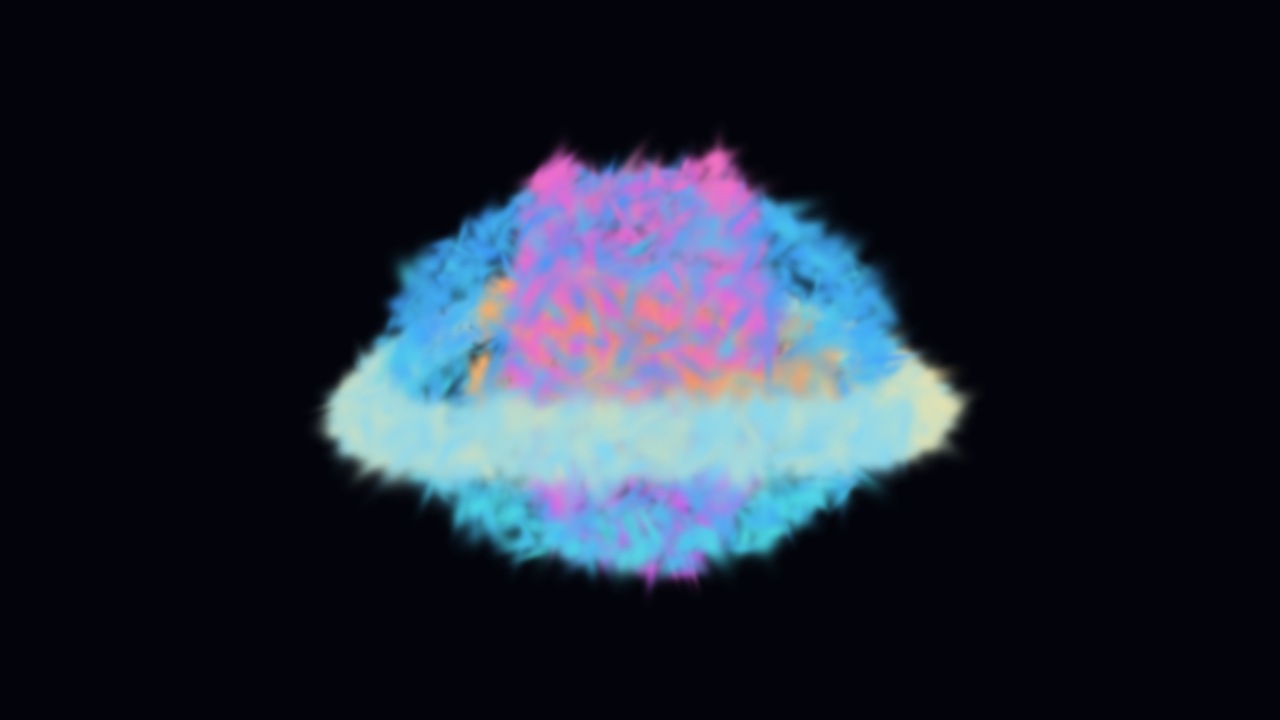
Gaussian Splats
Stream complete captured Train and Truck scenes with HDR color, depth-sorted transparency, and portable GPU rendering.
Explore captured scenes →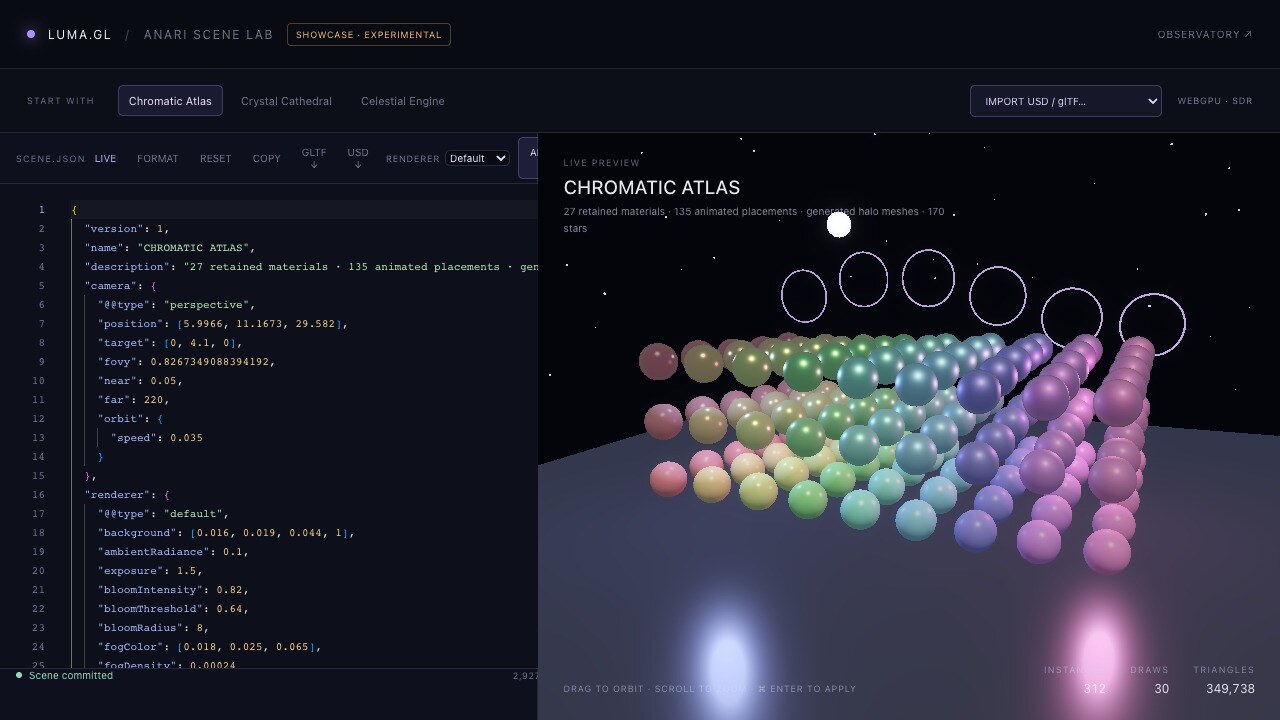
Declarative 3D Scenes
Describe materials, lighting, geometry, and cameras with an expressive retained-scene API.
Build a scene →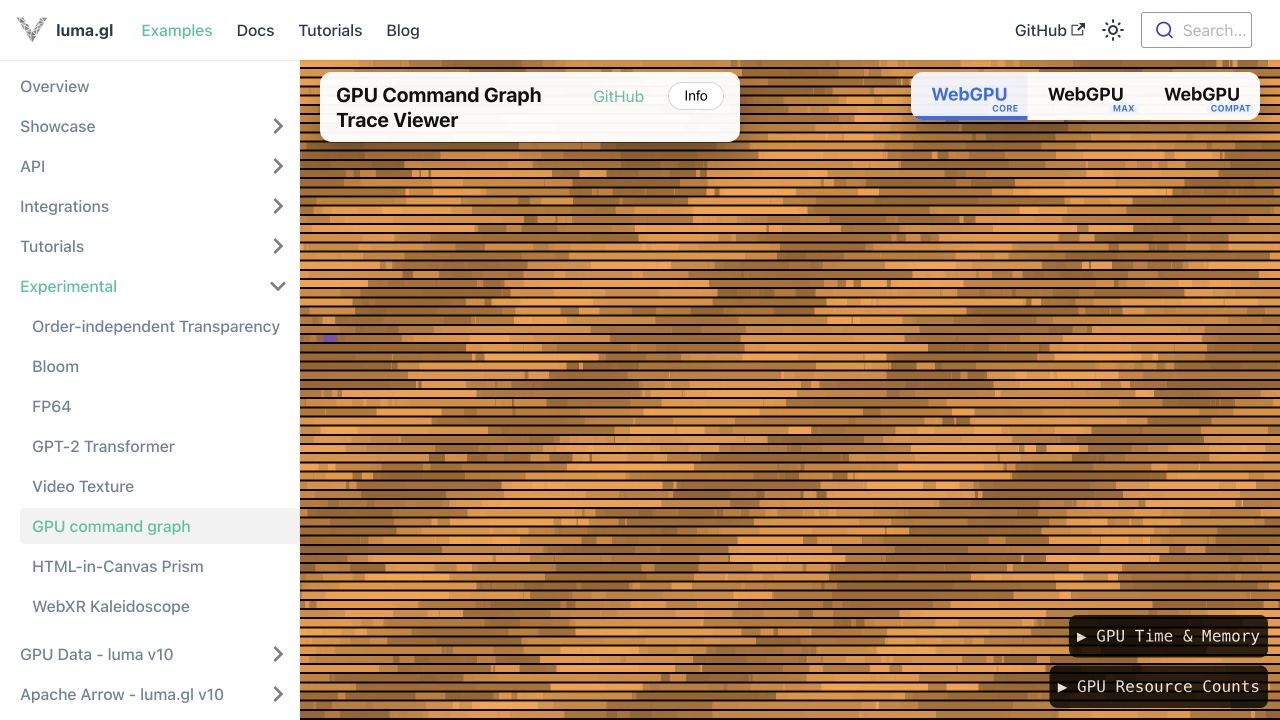
GPU Graph
Compose culling, sorting, compute, and rendering without moving your data off the GPU.
See the graph in action →02 · See it in motion
See what your GPU makes possible.
Every card opens a live, interactive scene. Advanced scenes require WebGPU; Effects: Image Processing also runs on WebGL2.
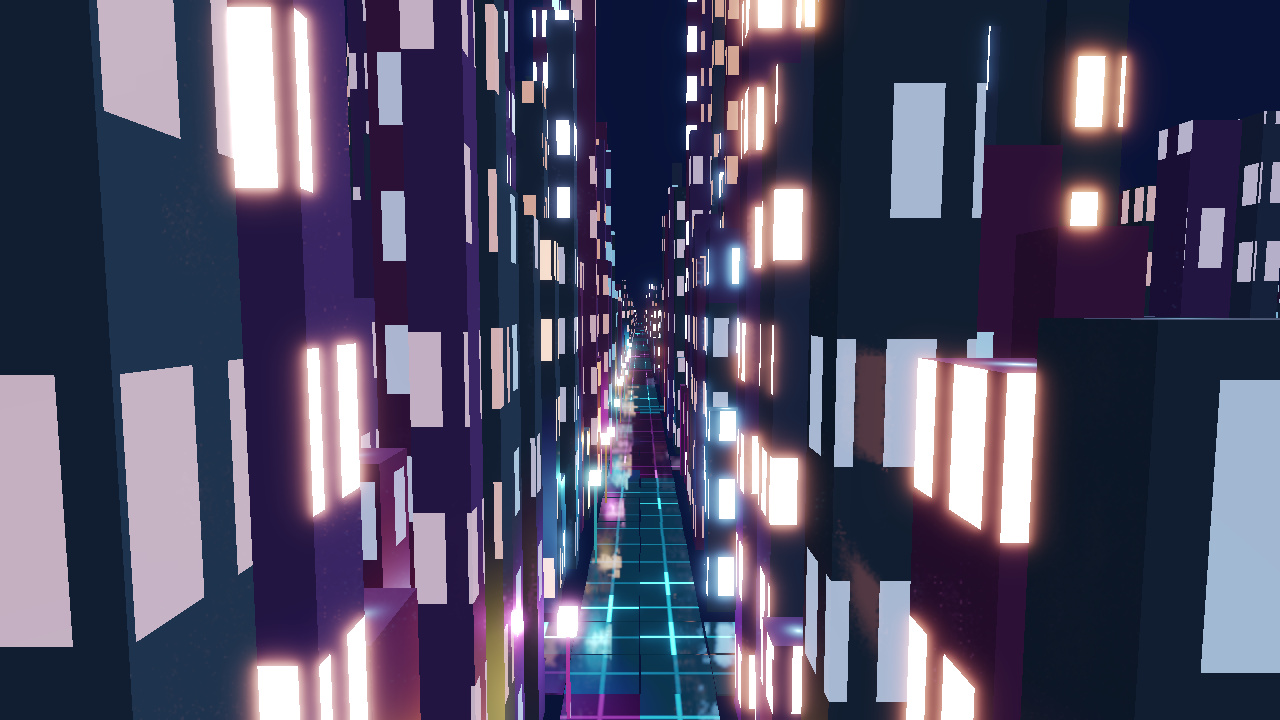
Lightstorm Megacity
Fly between rain-soaked towers beneath lightning, reflections, and thousands of lights.
Tempest Ocean
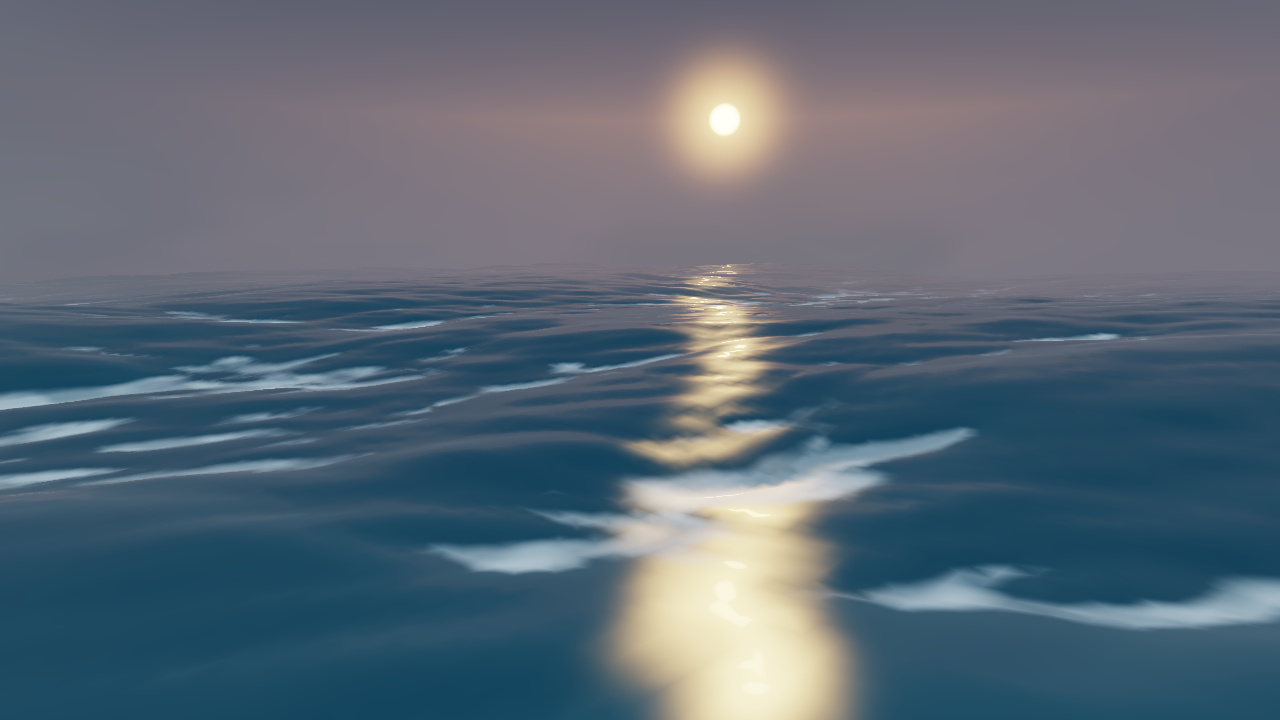
Cross an endless spectral ocean shaped by wind, whitecaps, and moonlight.
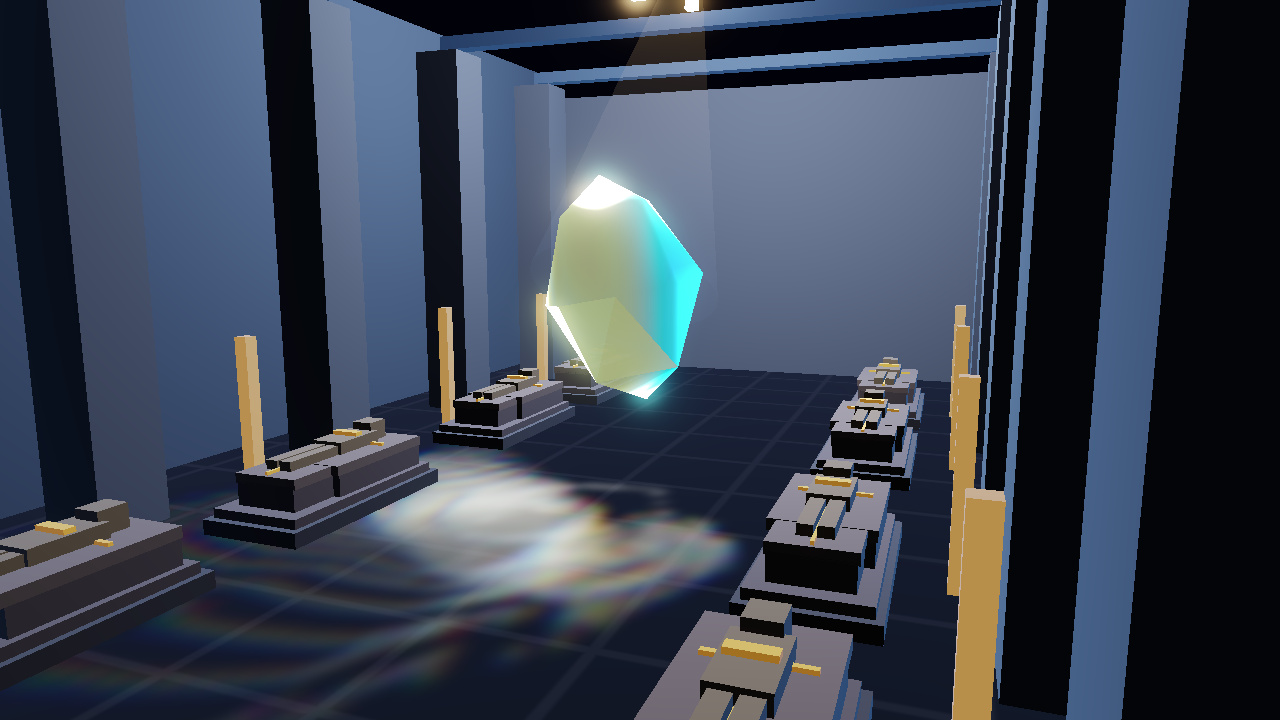
Prism Cathedral
Follow spectral light through glass as rainbow caustics travel across stone.
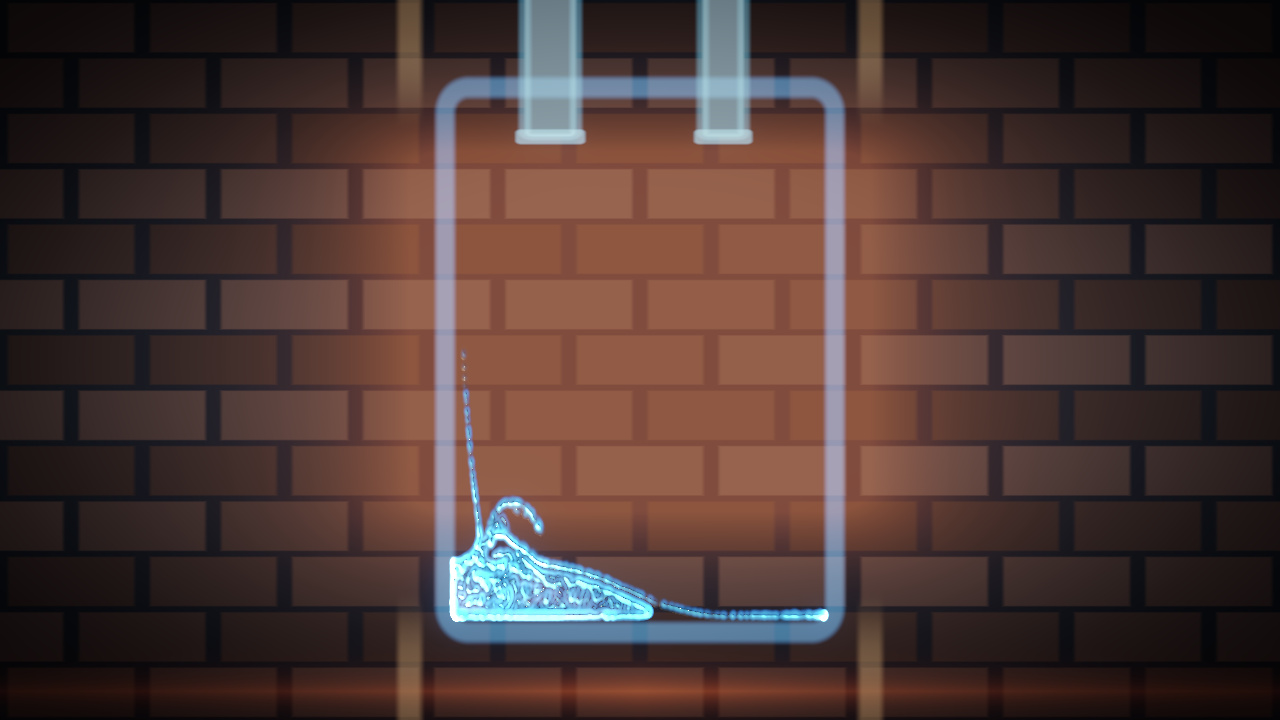
Fluid Foundry
Pour, splash, and reshape liquid metal without moving simulation data off the GPU.
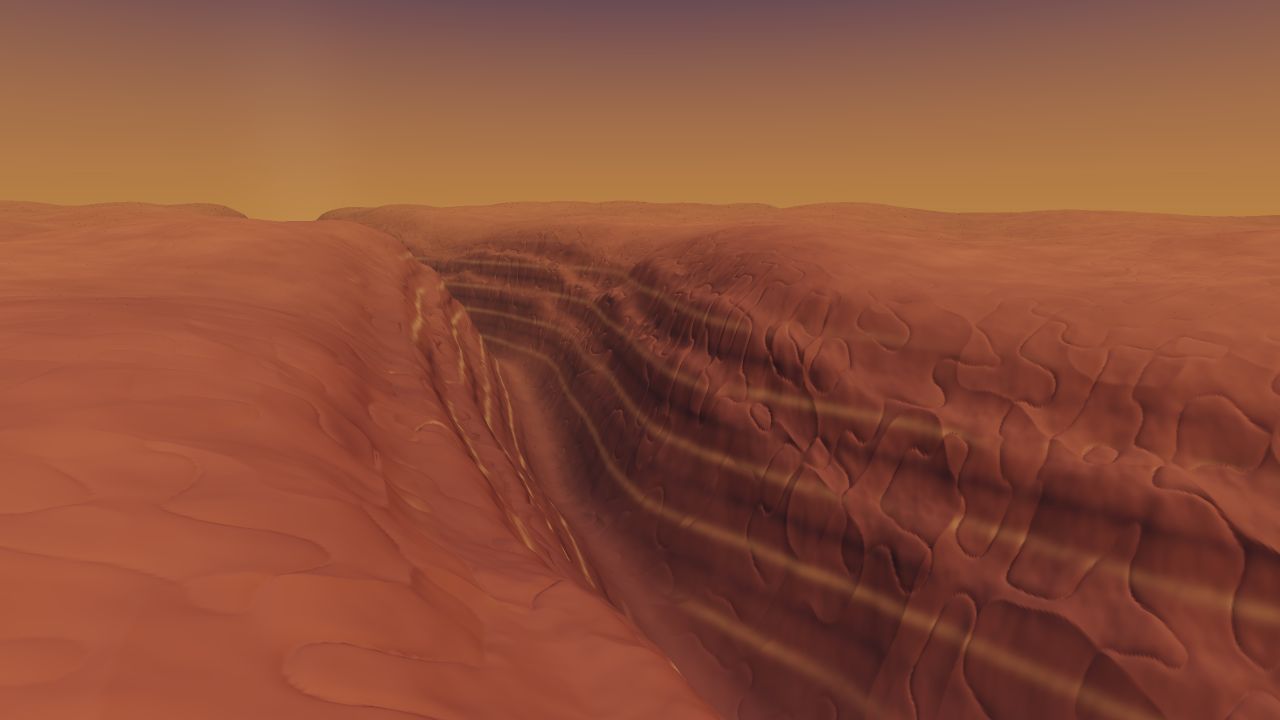
Virtual Geometry Canyon
Travel across a massive procedural landscape that streams detail as you move.
Effects: Image Processing
Layer bloom, color grading, distortion, and film effects over a living scene.
03 · Built for ambitious ideas
The whole GPU. Your way.
Behind every scene are composable building blocks for rendering, GPU-resident data, and programmable effects.
Render without a ceiling.
Compose models, materials, HDR lighting, shader effects, and GPU-driven geometry at interactive frame rates.
Keep your data on the GPU.
Simulate, filter, and visualize millions of records without shuttling data back to the CPU between steps.
One API. Two ways to render.
Share portable rendering across WebGPU and WebGL2, connect with deck.gl and Apache Arrow, and use WebGPU for compute shaders.
04 · Find your starting point
Choose your own first adventure.
Begin with an interactive lesson, or go straight to the part of the GPU stack you want to explore.
Draw your first triangle.
Start with a live, backend-switchable scene, then follow its rendering pipeline one step at a time.
Build worldsMeet the rendering engine.
Explore models, animation loops, geometry, materials, and reusable shader modules.
Move fasterThink in GPU compute.
Compare portable data operations with WebGPU-native compute for simulation, filtering, and spatial processing.
Create effectsShape every pixel.
Experiment with live image effects, then compose post-processing passes and reusable shader modules.
Ready to make something move?
When you are ready to create your own app, the developer guide takes you from local project setup to your first rendered frame.